Scroll less, feel more.
A student-led mental health campaign from Wayzata High School — raising awareness about depression, mindfulness, and the power of intentional living.
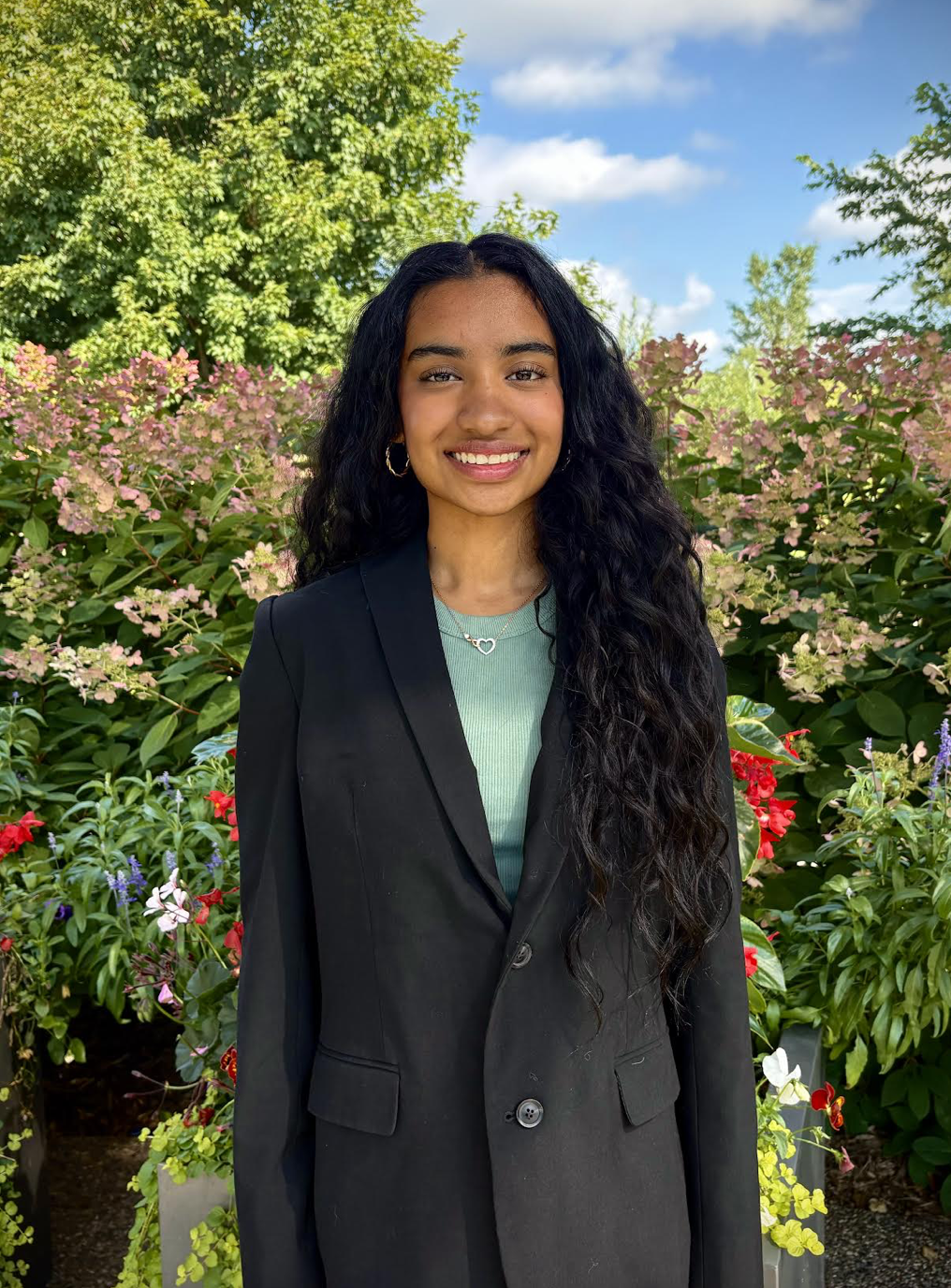
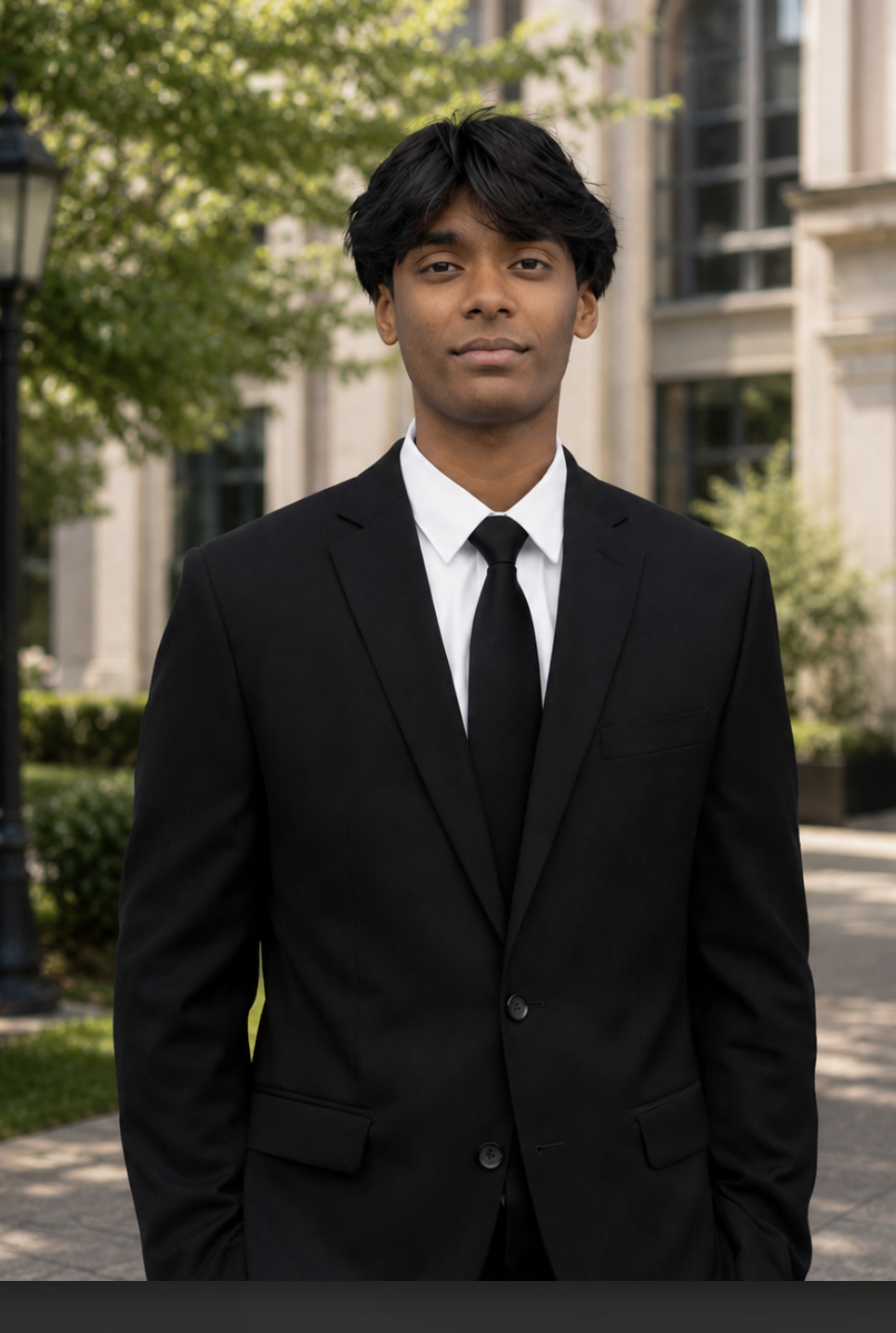
We are a determined group of students from Wayzata High School, motivated to improve our peers' mental health through educational digital content, social events, and meaningful resources. Our campaign shifts toward understanding the weight of depression and the transformative power of mindful living.
"You are not weak for needing help. You are human."— Mindful Not Mindless Campaign
Major Depressive Disorder (MDD) is a mood disorder characterized by prolonged periods of sadness, irritability, and decreased interest in daily activities for at least two weeks. Depression is real — and depression is treatable.
Our focus on depression stems from collective struggle and shared trauma — the lingering effects of COVID-19 quarantine and local tragedies that felt too close to home. We recognize an immense need for mental health support in our community.
External tragedies have a tremendous effect on our collective mental wellbeing. We acknowledge and validate that experience.
Many of us realized we didn't know how to take care of ourselves mentally or how to cope in effective ways.
By moving from mindless survival to mindful presence, we can help families and fellow students navigate difficult feelings.
Our goal is to provide our community with mechanisms to address specific depression symptoms that arise during challenging times.
Wayzata High School students dedicated to improving peer mental health through education, community, and mindful living.

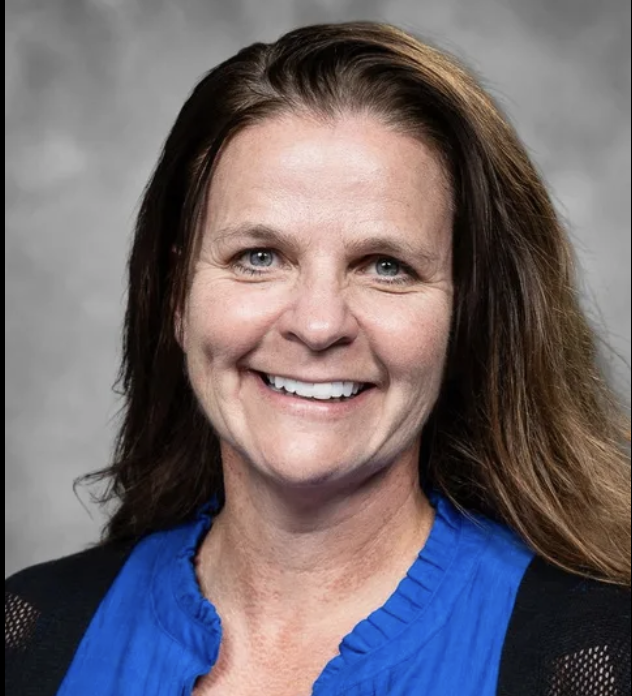
Debbie Kimlinger is an esteemed counselor and social worker at Wayzata High School. She brings extensive experience supporting adolescents through emotional, academic, and social challenges. With expertise in identifying early signs of anxiety and depression, and a deep understanding of how social media impacts teen mental health, her professional insight was invaluable in guiding this campaign.
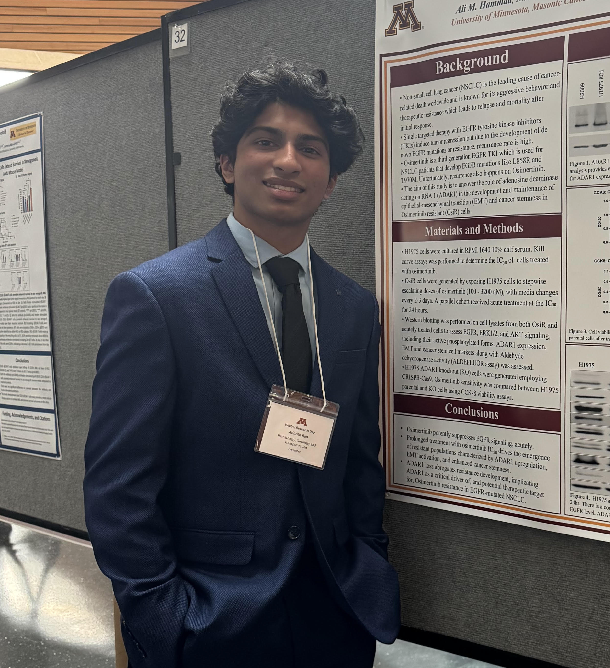
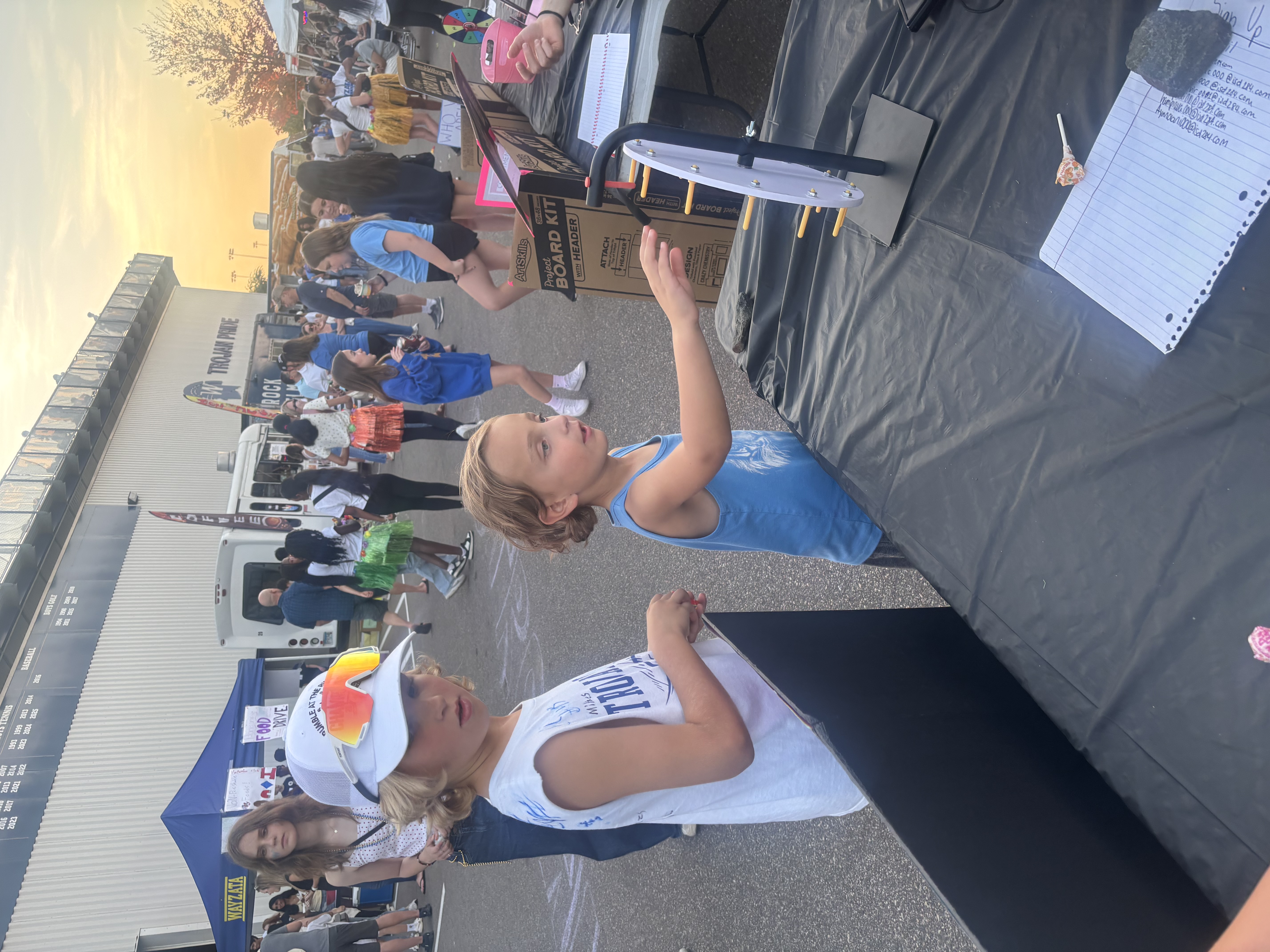
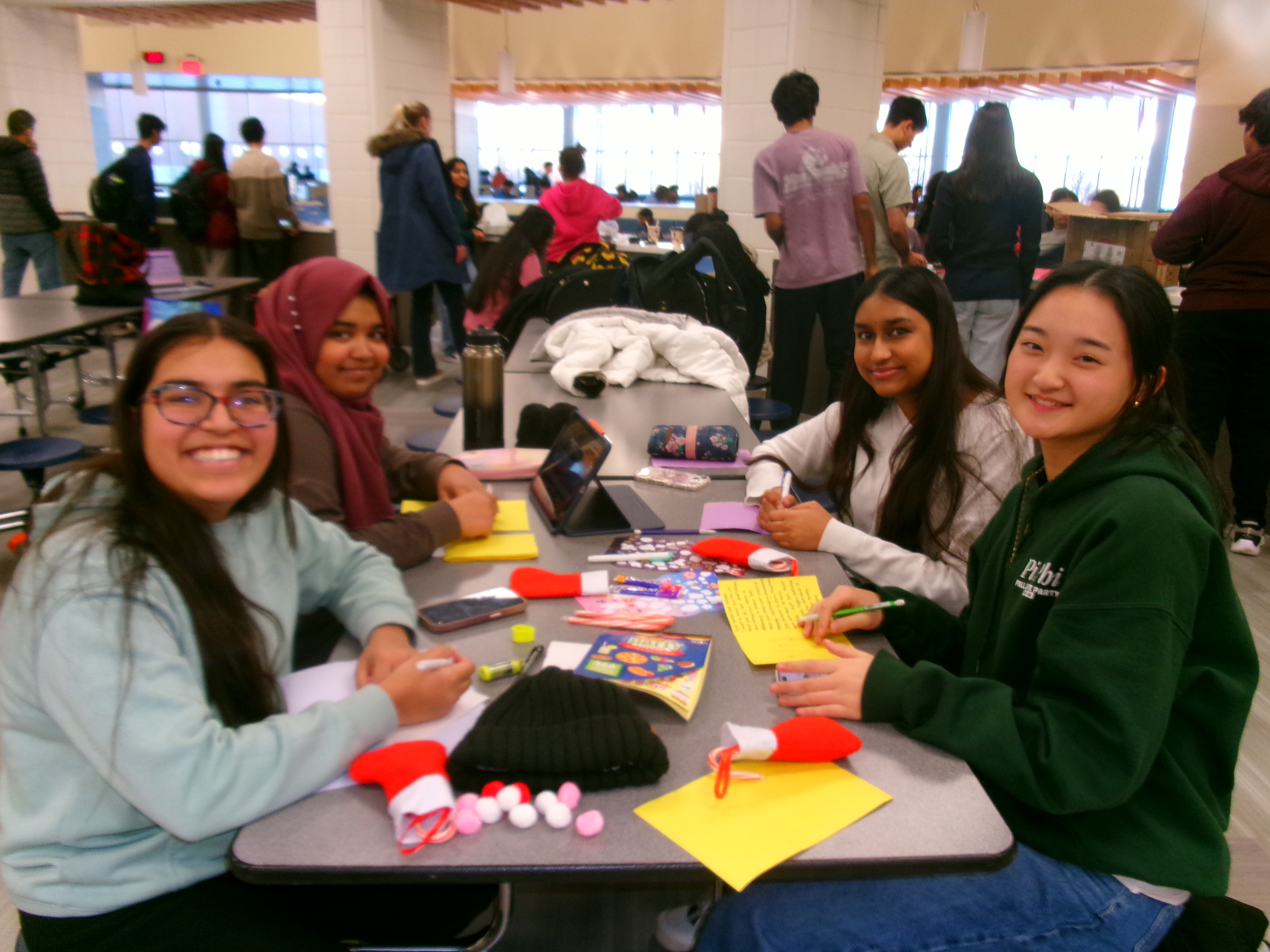
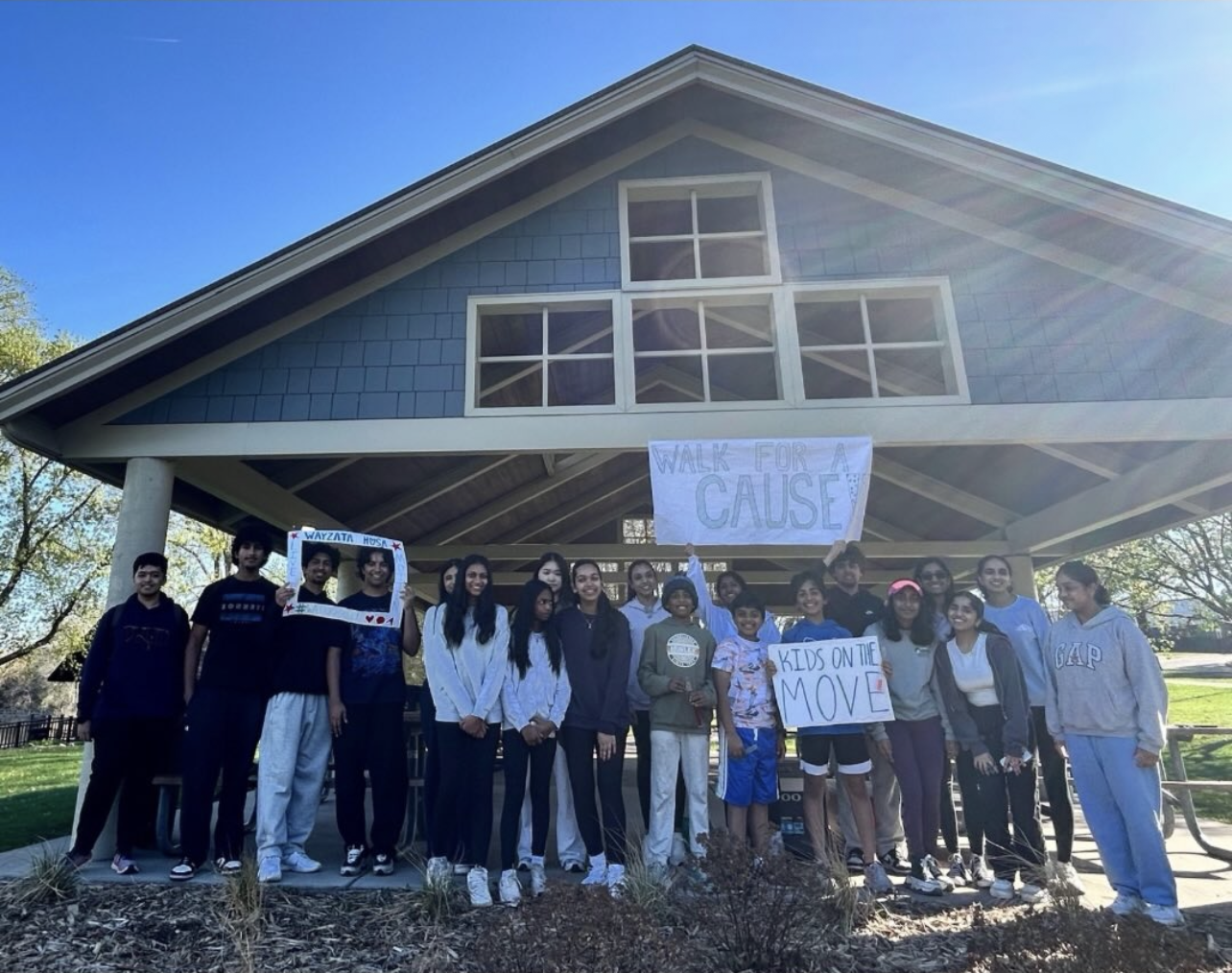
From science fairs to community walks, here's how we've shown up for mental health in our school and community.
From our first meeting to ILC, here's how Mindful Not Mindless came to life — week by week.
We conducted a student-led study at Wayzata High School examining the relationship between daily screen time, sleep quality, and self-reported mental health — with the goal of identifying actionable patterns in teen wellbeing.
Students who spend more than 4 hours per day on social media will report lower sleep quality and higher levels of depressive symptoms compared to those with less than 2 hours of daily use.
Our data supports the hypothesis: increased social media use correlates with reduced sleep and lower mood in Wayzata high schoolers. These findings reinforce our campaign's core message — intentional, mindful habits make a measurable difference in teen mental health.
You are not alone. Here are some resources for support — whether you need immediate help or just want to learn more.
Easy Access Links